The week at a glance: two bases, six nights
Our suggested seven-day route is Bangkok on Days 1–3, a transfer on Day 4, and Chiang Mai on Days 5–7. This assumes arrival on Day 1, departure on Day 7, three hotel nights in each city and an intercity flight on Day 4. It is a route framework, not a live transport package.
If your arrival is late or your international flight leaves Bangkok early on Day 7, simplify the route or bring the final night back to Bangkok. Do not hide an extra return flight inside the departure morning. Seven calendar days do not automatically mean seven usable sightseeing days.
Days 1–3: build Bangkok around one base
Day 1: arrival and a local evening
Reach the hotel, eat nearby and learn the route to your station or pier. Keep the arrival day flexible rather than paying for an outing you may miss. Save the hotel address and an alternative route home.
Day 2: an Old City day
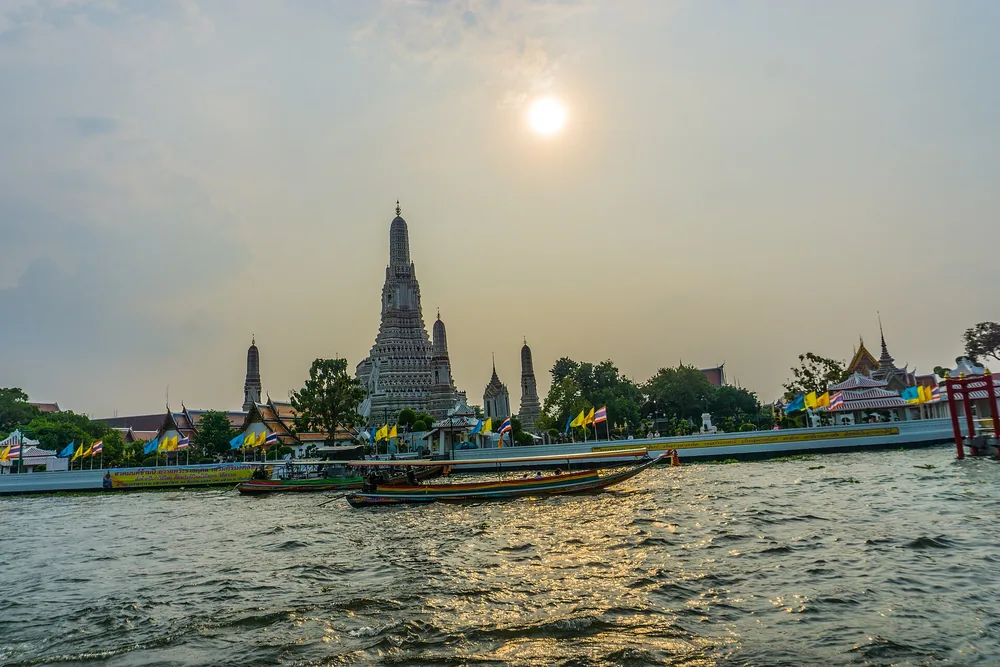
Choose a heritage cluster around Wat Pho, with time for lunch and a break. Add Wat Arun only with a separate river-crossing plan. Check entry arrangements for your travel date. A list of famous sights is not yet a route between them.
Day 3: a contrasting city day
Choose shopping, food or a neighbourhood walk rather than repeating another long cross-city checklist. Pack before dinner if Day 4 starts early. Confirm the departure airport on the ticket: BKK and DMK are different airports.
Choose your hotel with the Bangkok neighbourhood comparison. Rail access is most useful when the actual entrance suits the journeys you will make, including the airport transfer.
Day 4: flight, overnight train or one base?
| Option | Practical comparison |
|---|---|
| Flight on Day 4 | Fits this six-hotel-night outline. Compare the full journey: hotel checkout, correct airport, baggage allowance, check-in, flight, arrival and hotel transfer. A short flight is not the whole transfer day. |
| Overnight train after Day 3 | Changes the room plan: normally two Bangkok hotel nights, one train night and three Chiang Mai hotel nights. Compare a confirmed berth with the cost of a flight and the hotel night it replaces. Arrival on Day 4 is not a reason to promise a full sightseeing programme after a train journey. |
| Stay in Bangkok for the week | Our simpler alternative for late arrivals, tight departures or travellers who prefer fewer moves. Use the extra days for shorter neighbourhood outings and rest. Removing the second base also removes an intercity ticket and another hotel check-in. |
For rail, use SRT’s official D-Ticket booking guidance and search the actual origin, destination, date and class. Confirm the station printed on the ticket; do not assume every Bangkok train uses the same terminal. A train night replaces a room only if the timings and your luggage plan work.
For flights, price the bag you need and check change terms before committing to the second hotel. Keep this afternoon light even when the scheduled connection looks easy.
Days 5–7: a northern chapter with room to breathe
Day 5: one Old City cluster
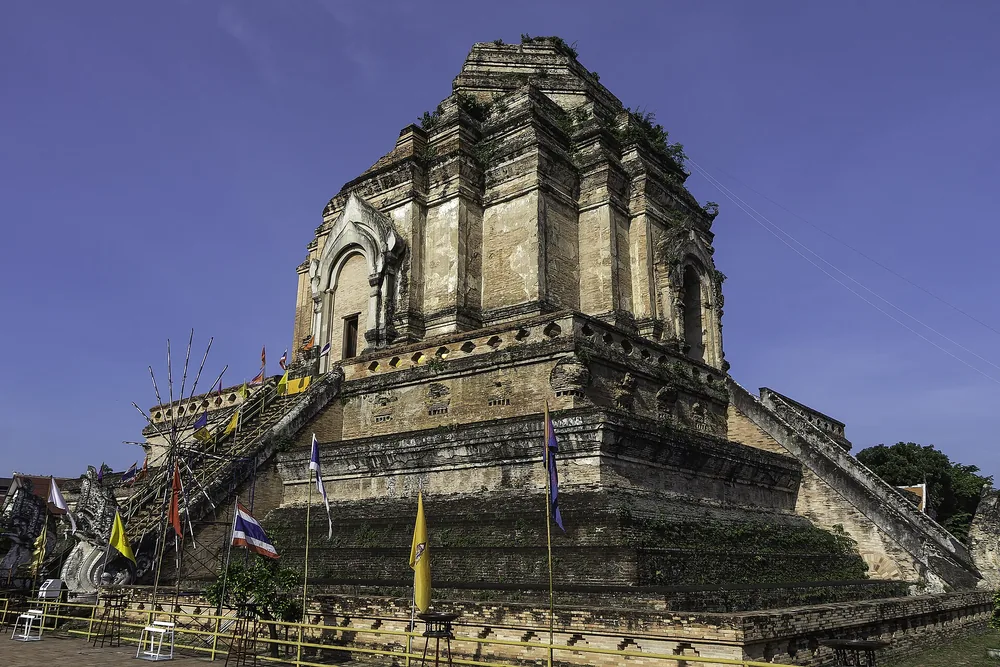
Use a morning for temples and streets near each other, then take a long break. Wat Chedi Luang can be the anchor of a compact heritage day. Check current visitor arrangements and dress requirements before entering religious sites.
Day 6: choose one larger outing
Pick the experience you most want, then verify the operator, collection point, duration and return arrangement. Keep the evening flexible. Avoid stacking a distant outing, a cooking session and a market visit into the same day merely because all appear on a list.
Day 7: departure comes first
Pack, check out and reach the correct airport or station with the required buffer. If returning via Bangkok on separate tickets, work back from the onward flight and allow for delays and any airport change. Consider returning the previous day when the connection is important.
Use the Chiang Mai guide to shortlist places. Save optional stops separately so that tiredness or weather does not turn the whole plan into a failed checklist.
Price this exact route before you book
- Flight version: price six hotel nights, one intercity flight, baggage, both airport transfers, meals for seven days and chosen entries.
- Train version: price five hotel nights plus a confirmed berth, station transfers and luggage arrangements before and after checkout. Do not subtract another hotel night by mistake.
- Add the international arrival and departure arrangements separately. An open-jaw flight and a return to Bangkok have different total costs.
- Compare cancellation terms before paying for rooms around an unconfirmed connection. Keep a separately chosen contingency amount.
Use our seven-day budget worksheet and airport-to-hotel transport guide to price the missing legs. The worksheet’s sample costs are assumptions, not a quote for this itinerary.
Put hours and admission beside the sightseeing days
On the Bangkok heritage day, put Wat Pho into the morning rather than leaving all temples as an unordered list. Its operator publishes THB 300 and daily 08:00–19:30. Reserve 90 minutes to two hours as your own visit allowance, then lunch and a rest. Add Wat Arun only if the separate crossing still suits your energy; TAT lists THB 200 and 08:00–18:00. Those two admission references total THB 500 per foreign adult, before food and boats. The practical Wat Pho and Wat Arun pages link the sources.
If the Grand Palace matters more, give it the morning block instead. The THB 500 foreign ticket covers Wat Phra Kaew within the palace complex, so do not buy an itinerary budget that counts them as two independent admission charges. Check the latest official opening notice and leave security time. You can choose two heritage mornings and drop the shopping day, rather than adding more stops to an already full afternoon.
For a Chiang Mai mountain-temple outing, Doi Suthep’s practical page links TAT’s THB 30 temple admission and separately listed THB 50 foreign cable-car charge. Ask the counter about the current combination. Reserve a half day including the road transfer, rather than using the time spent inside the temple as the whole excursion duration. Arrange the return ride before the driver leaves. Timings here are editorial planning blocks; weather, queues and your mobility can change them.
Give each base a specific meal option
In Bangkok, save Krua Apsorn, Dinso Road as one researched option for an Old City day. The restaurant’s own page lists the branch at 10:30–20:00 daily, with kitchen closure at 19:30, and links its food menu. Save the Dinso branch rather than just the brand name. Decide whether it fits the route after you choose your final temple; another branch’s address or weekly closure will change the plan.
In Chiang Mai, Chom Cafe & Restaurant provides an operator menu with prices that make an allowance more concrete. Its Chiang Mai 2026 menu lists small pork fried rice at THB 95 and shrimp Pad Thai at THB 170, before the stated 7% VAT. Those two dishes total THB 265 before VAT, or THB 283.55 after adding 7%, excluding drinks and anything else ordered. This menu belongs to Chiang Mai; do not apply it to the brand’s Hua Hin restaurant.
Neither example is a firsthand meal review or a claim that these are the cheapest places in town. Check current availability and your dietary needs directly, then allow travel and a seated break. Keep an easy nearby alternative for the arrival evening and the transfer day. A useful itinerary gives you somewhere to start researching food without requiring a reservation at every meal or promising a restaurant will suit every traveller.
Adapt the week before booking the long-distance leg
If your international flight returns from Bangkok
Check whether Day 7 can realistically include Chiang Mai checkout, the airport journey, the domestic flight, baggage and international check-in. Separate tickets need particular care because the onward airline may not protect a missed connection. Use the airlines’ actual connection and check-in requirements. If the margin is poor, return to Bangkok on Day 6 and reduce Chiang Mai by one night, or use one base for the entire week.
If you choose an overnight train
Count the nights again. A berth can replace a hotel night only when its departure and arrival really cover that night’s accommodation needs. Decide where luggage stays before departure and what you will do before the next room is available. Keep the arrival day modest after a disrupted sleep. Compare the available berth category and station transfers with the complete flight price, not a headline rail fare from an old article.
If two bases already feel too rushed
Stay in Bangkok and choose one well-planned Ayutthaya day, or pair Bangkok with the mainland coast instead of Chiang Mai. Replace the northern transfer; do not add the coast as a third base. Write down the full days left after each move. A seven-day itinerary is most useful when it protects two or three experiences you care about and leaves enough room to enjoy them, rather than treating every famous destination as compulsory.
Questions that change the itinerary
Can I add a beach to these seven days?
You can change the route, but our recommendation is to replace Chiang Mai with one coastal base rather than adding a third region. Compare Hua Hin and other mainland coastal stays for a city-and-coast alternative.
Is an overnight train always the cheaper choice?
No. Compare the available class, transfers and the room night actually replaced. Include the value you place on sleep and flexibility, rather than comparing only the headline tickets.
What if I have seven nights rather than seven days?
Add the extra night where it improves the route most: after a late arrival or before an important departure. Then recount meals and accommodation instead of treating it as the same budget.
Next step: confirm the Day 4 connection, choose the two bases and save the route in My Trip. Framework reviewed 22 October 2026. Transport availability must be checked for your travel dates; no specific train or flight is promised here.
About Joe Bloggs
Joe Bloggs creates bloggsandco’s Thailand guides with practical comparisons, sourced transport details and manageable itineraries. This guide combines desk research and editorial planning suggestions. Visit durations are estimates; firsthand visit notes will carry their own dates when available.