How long should you stay in Chiang Mai?
Our suggestion is three to five nights for a first city stay. Three nights can give you an arrival evening and two full days, depending on your tickets. Five nights leaves more room for a larger outing, a workshop or a day with no fixed plans. Count full days before choosing activities: a late arrival and an early departure can turn three calendar days into very little sightseeing time.
If you have one week in Thailand, compare our Bangkok and Chiang Mai itinerary. Choose the connection between the cities before committing to a second hotel. If another move makes the week feel crowded, stay longer in one base.
Where to stay: Old City, Nimman or the Night Bazaar area?
Pick your likely morning and evening journeys before filtering rooms by price. A hotel is useful when it makes the days you want easier. Compare the actual entrance, street and recent reviews, rather than assuming a neighbourhood name guarantees peace or convenience.
Old City: start with temples and short walks
Choose this as a starting point if cultural visits anchor your stay. Map your first two visits from the hotel entrance, and check road crossings, walking distance and evening noise.
Nimman / Nimmanhaemin: stay near your shortlist
Consider this area if the cafés, restaurants or workshops you want are already nearby. Price the journeys to Old City sights and read recent comments about noise at the particular property.
Night Bazaar area: make the market part of your evening
Start here if evening browsing matters more than being beside an Old City temple. Compare the exact street, the walk home and the journeys to your daytime plans.
The Thai government’s Chiang Mai overview identifies Wat Chedi Luang, Wat Phra Singh and other cultural stops around the historic district. For Nimman and other visitor logistics, see Chiang Mai University’s visitor guide. These are starting points for research, rather than hotel endorsements.
Things to do in Chiang Mai: a three-day itinerary
Day 1: settle in and explore one Old City cluster
After arrival, check in or arrange luggage storage. Choose one cultural anchor, such as Wat Chedi Luang, and add a nearby walk only if you have enough energy. Keep lunch and a proper break in the plan. If your flight arrives late, move the sightseeing to the next morning and eat near the hotel.
Day 2: choose a mountain outing or another city day
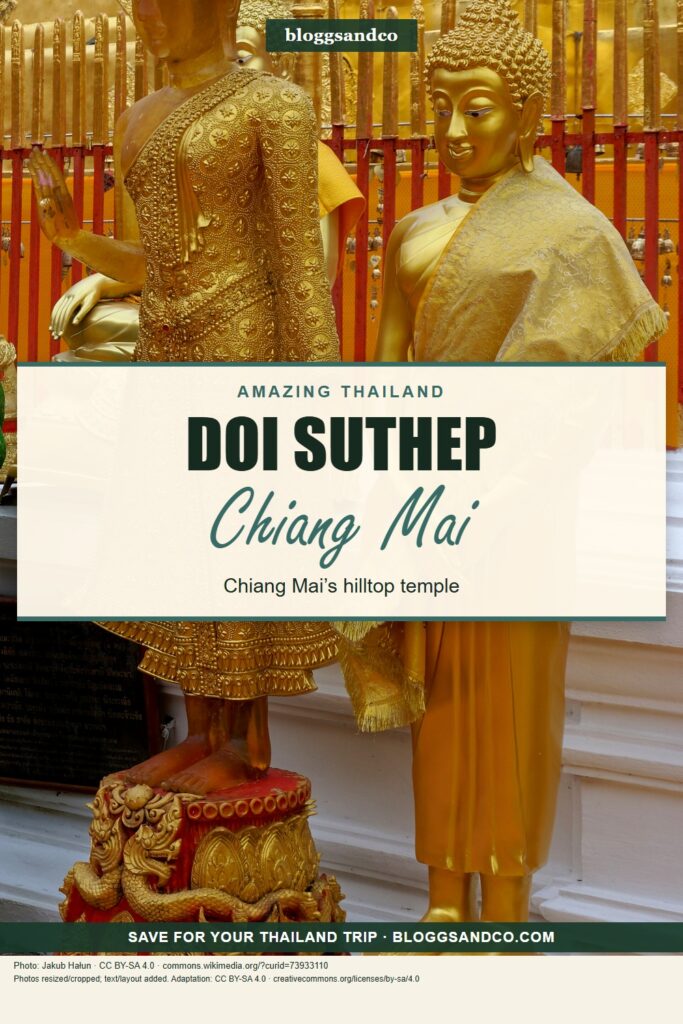
If Doi Suthep is a priority, make it the main outing. Our Wat Phra That Doi Suthep guide is the next place to check admission references and access questions. Agree the collection point, waiting arrangement and return journey with your transport provider. Leave the afternoon flexible instead of attaching several unrelated stops to the same trip.
If you would rather stay in town, use the day for a second temple, a museum or a class you have researched. One activity with time on either side is a reasonable day’s plan.
Day 3: food, a neighbourhood and a flexible evening
Choose one area you have not explored, or keep the morning for a cooking session booked with an operator whose location and inclusions you understand. For an evening market, distinguish the Night Bazaar from the Sunday Walking Street. The government overview describes the Night Bazaar as a nightly market and Tha Phae Walking Street as a Sunday event. Confirm current arrangements for your dates; do not plan a Sunday market for a midweek visit.
If this is departure day, start with checkout and the airport or station journey. Leave an optional coffee or short walk as the extra, rather than making a paid excursion depend on everything running perfectly.
Food without a rigid restaurant checklist
Save two or three possible meals near places you already intend to visit. That gives you a useful starting point without sending you across the city for every lunch. Check the branch address, current menu and opening day; a restaurant name alone is not enough to plan a journey.
When comparing a cooking class, ask how much time is spent cooking, whether a market visit is included, where collection happens and when you return. Tell the operator about dietary requirements before paying. Keep a simple nearby meal option for the arrival evening and after any long outing.
Getting around and arriving from Bangkok
Divide transport into three separate decisions: your arrival connection, everyday city journeys and any longer excursion. Confirm the fare and destination before setting off. Save the accommodation address on your phone and keep it available offline.
For Bangkok to Chiang Mai, compare a flight with the actual berth available on your dates. Include bags, airport or station transfers and any room night a train genuinely replaces. Use SRT’s official D-Ticket guidance for railway booking help, then check the station and service on your ticket. An overnight journey also needs a plan for luggage and the time before your next room is ready.

Weather and a plan you can change
Check the forecast and current air-quality information before deciding on outdoor days. Keep a city alternative for a mountain outing and review cancellation terms before booking weather-dependent activities. A seasonal label cannot tell you the conditions on your particular travel day.
Build a budget for your own stay
Use one line for each commitment: room rate multiplied by nights, the intercity journey, both arrival and departure transfers, everyday rides, meals and chosen activities. Put optional spending on its own line so you can change it without losing track of the fixed total.
For a shared room, decide whether you are comparing the price per person or per room. For a class or excursion, check whether transport and meals are included before budgeting them again. Our Thailand budget worksheet includes examples you can replace with current quotes. This guide does not claim a citywide average room rate.
Access & responsible travel
For temples and accommodation, ask about steps, surfaces, toilets and walking distances if those affect your plans. Request specific answers rather than relying on a general accessibility label. Follow posted dress and photography rules, leave restricted areas alone and give worshippers space.
Chiang Mai travel questions
Can I see Chiang Mai in two days?
You can make a focused city visit. Choose an Old City day and one other priority, then protect arrival and departure time. Our three-day outline is a starting point to shorten, not a checklist to squeeze into a weekend.
Should I change hotels during a short stay?
Our recommendation is to keep one base unless the move solves a specific problem. Packing, checkout, luggage storage and waiting for another room can consume the time you hoped to spend exploring.
Can I add Sukhothai?
Consider it as a separate stay with its own transport plan. Compare the Sukhothai guide with your remaining full days and current connections. If it makes the route too busy, save it for another trip.
Next step: choose your base, confirm the journey into Chiang Mai and save a small shortlist in My trip. Leave the rest as options.
Things to do in Chiang Mai: keep the shortlist manageable
Use the three-day plan above to combine an Old City cultural visit, one larger outing and time for food or a neighbourhood walk. Choose the experiences you care about rather than adding every temple and excursion to the same day. Leave an easy alternative for arrival, weather or tiredness.
Choosing a Chiang Mai elephant sanctuary
Look at what visitors are asked to do, rather than relying on the word sanctuary. World Animal Protection’s current elephant-friendly guide favours observation-led experiences and provides a venue list you can check. Ask the operator about riding, bathing, direct contact, animal movement and group size before booking. We have not independently audited a venue, so no welfare certification is implied here.
Best time to visit Chiang Mai: check the conditions you need
The best time for your stay depends on the activities you want, available dates and the conditions you are comfortable with. Check the Thai Meteorological Department for seasonal and short-range forecasts and its linked PM2.5 information before fixing outdoor days. Choose cancellation terms and a city alternative for an excursion. A general month-by-month claim cannot promise the weather or air quality during your stay.