Quick choice: match your base to your trip
For a first visit, shortlist Silom–Sathorn or Sukhumvit if rail connections matter most; choose the Old City if heritage sightseeing shapes your days. Pick Riverside for a hotel-led break and Siam for shopping-led days. These are editorial starting points, not ratings of every street or hotel.
Our suggested stay is three or four nights. With two nights, keep one base and one main sightseeing cluster. A cheaper room can become an expensive choice if every evening requires another paid ride. Compare the room, the walk to transport and the journey home together.
Five Bangkok neighbourhoods compared
| Option | Practical comparison |
|---|---|
| Old City / Rattanakosin | Best for temple and heritage days. Plan walks between nearby sights, with breaks in the heat. The tradeoff is checking your actual station or pier connection rather than assuming every riverside address is rail-connected. |
| Riverside | Best when the hotel, views and slower evenings are part of the holiday. Ask which pier is usable and whether a hotel shuttle has a timetable. “Riverfront” alone does not tell you how you will get home after dinner. |
| Silom–Sathorn | A useful shortlist for mixed sightseeing and city evenings. Compare properties near the BTS or MRT entrance you need. A room deep inside Sathorn can have a different daily journey from one beside a station. |
| Siam–Pratunam | Shortlist for shopping, indoor breaks and a central city programme. Siam is a BTS interchange; Pratunam addresses need their own walking-route check. Do not treat both names as the same station-side location. |
| Sukhumvit | Shortlist for restaurant-led evenings and trips organised along the BTS corridor. Compare Asok with the exact station nearest each alternative. The long road name covers very different locations; a distant side street can undo the benefit of rail access. |
Use the official BTS route planner and BEM MRT planner to test two real journeys from each hotel: your first sightseeing stop and your return after dinner. This is a planning comparison, not a claim that one neighbourhood is always quieter or cheaper.
A five-point hotel location check
- Save the hotel’s exact entrance, not only the neighbourhood label. Check the correct side of a major road and the station exit.
- Read the route on foot: crossings, luggage, shade and any pedestrian bridge matter more than a straight-line distance.
- Check the latest reviews for noise in the particular room category. Ask for a room away from a late-night venue if sleep matters.
- Ask whether breakfast, an extra bed and taxes are included. Compare the same cancellation terms.
- For step-free travel, ask for photographs or dimensions of the entrance, lift and bathroom. A station lift does not establish that the whole hotel journey is accessible.
For an Old City example, BEM lists Wat Pho and Museum Siam at Sanam Chai Exit 1, Rajini Pier at Exit 5, and lifts/ramps at Exits 1 and 3. Choose the exit for your actual destination; check the operator’s station information before travelling.
A three-day plan from one Bangkok base
Day 1: arrive and learn your local route
Check in, find one easy meal and walk the route to your station or pier while you have energy. Keep a late arrival free of prepaid sightseeing. Save the hotel address in Thai and a return route on your phone.
Day 2: one heritage cluster
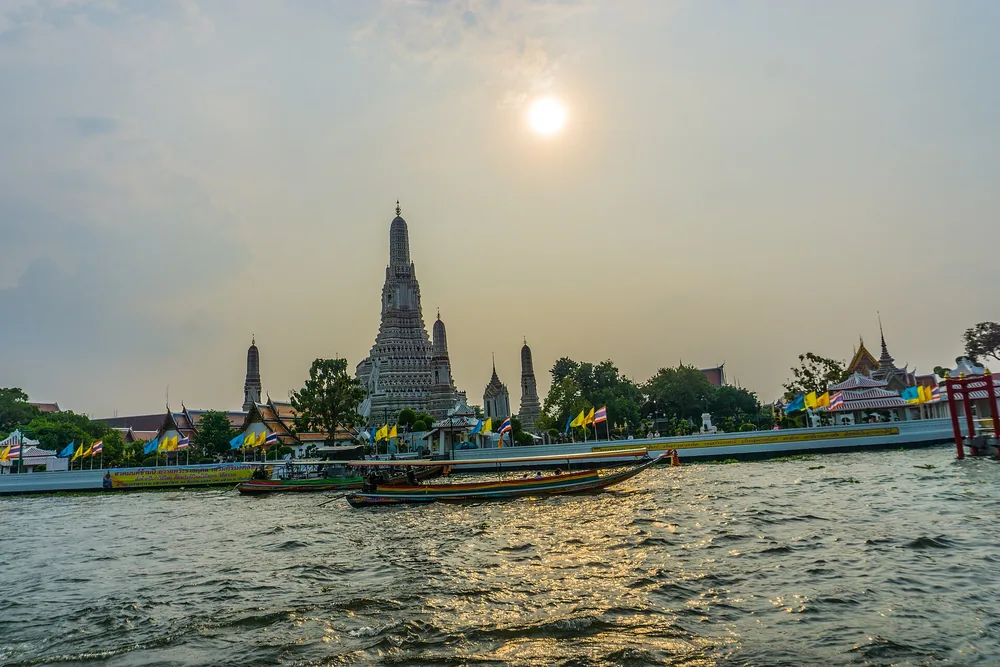
Build the day around Wat Pho and the surrounding Old City. Add another stop only after checking its opening arrangements and the journey between them. Wat Arun is across the river: it needs a separate crossing or onward route, not an assumed walk from Wat Pho.
Day 3: choose a different kind of day
Choose a shopping-and-food day around Siam, or spend more time in the neighbourhood where you are staying. Put a seated lunch or indoor break between outdoor visits. Leave the final evening near your base if you depart early.
This outline deliberately leaves room for weather, queues and meals. To extend north, use our seven-day Bangkok and Chiang Mai itinerary rather than squeezing an intercity transfer into a sightseeing day.
Connect the airport and the room budget
Write BKK or DMK beside your booking before comparing arrival options. Then count the entire journey: airport service, interchange, station exit and final ride or walk. With heavy luggage or a late arrival, compare the door-to-door cost for your party against separate rail tickets and a last-mile ride.
Our Bangkok airport and city transport guide has the checked pickup locations and operator links. Use the Thailand budget worksheet to compare two hotels over the whole stay. A lower nightly rate is only useful when the transport costs and time still suit the trip.
A timed Old City day, with a real admission budget
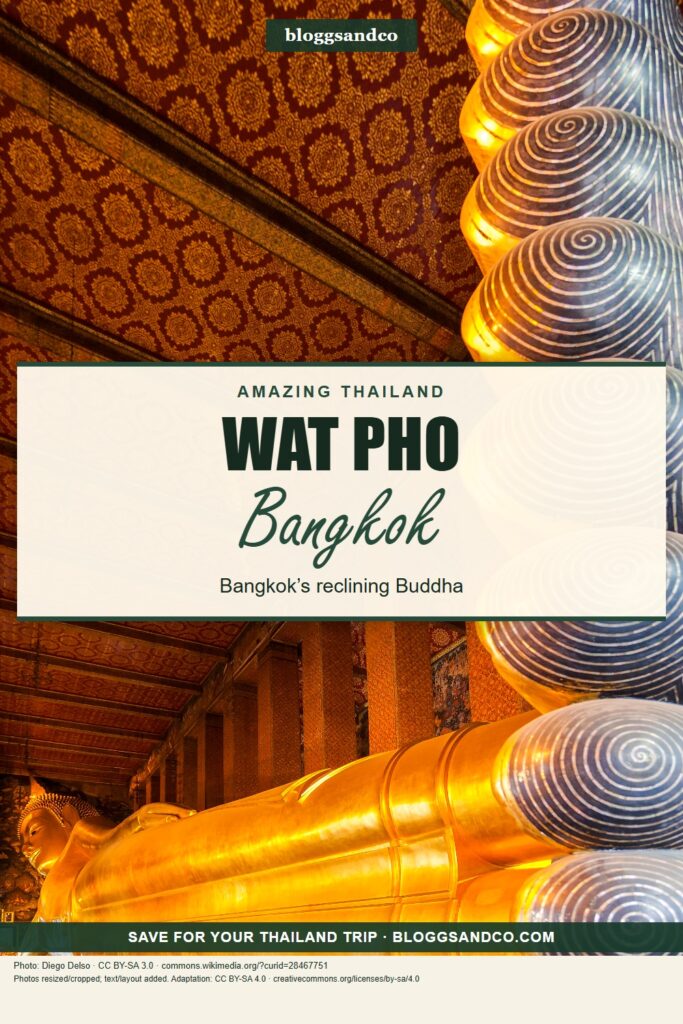
Use this as a suggested schedule for a normal sightseeing day, adjusted after checking closures. Aim to reach Wat Pho around 09:00 and keep 90 minutes to two hours for the visit. The temple’s own visitor page gives daily 08:00–19:30 and THB 300 admission. Our Wat Pho practical guide links the temple source and explains the Sanam Chai approach. Carry the clothing you need for a religious visit rather than relying on a shop at the gate.
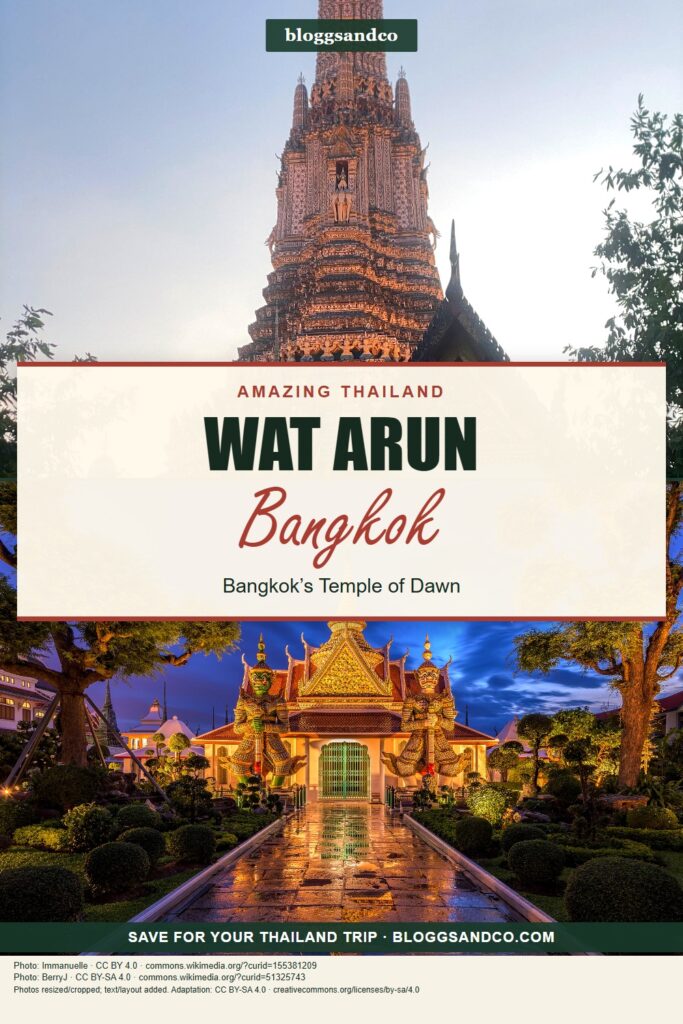
Leave roughly 11:00–12:30 for a proper lunch and a break. If you want Wat Arun afterwards, allow the river crossing its own block. The Wat Arun guide links TAT’s THB 200 reference and 08:00–18:00 hours. For a foreign adult, those two published admission figures total THB 500 before transport, food and optional services. Crossing tickets are additional; check the operating pier on the day.
This is already a substantial heritage day. Add the Grand Palace on another morning if it is a priority, rather than paying for three major visits and rushing them. Palace and Wat Phra Kaew admission is a combined visit, with a separate THB 500 foreign-visitor ticket. Official hours notices differ, so use our palace page and the latest royal-household notice. If you tire after lunch, the best remaining stop may be your hotel: the itinerary still works when the optional afternoon is dropped.
Two named lunch options to research before your trip
Supanniga Eating Room, Tha Tien is a specific restaurant to compare for a Wat Pho-area day. Start with the restaurant’s own branch menu page and choose Tha Tien, because another branch’s location or menu is not interchangeable. Its linked menu adds 10% service and 7% VAT to listed prices. Treat a menu price as the beginning of the bill, then add rice, drinks and the stated charges. Ask the restaurant about availability if a particular table or dietary requirement matters.
Krua Apsorn, Dinso Road offers another Old City meal anchor. Its operator contact page lists daily 10:30–20:00 with the kitchen closing at 19:30 and links the food menu. The Samsen branch has a different weekly closure, so save the branch name with your booking. Put the restaurant into your route planner before deciding it is a convenient walk from the last temple.
These are researched planning options, not firsthand restaurant reviews or a promise of a table. Give lunch 60–90 minutes in your draft day, choose a backup nearby and check allergies directly with staff. A named restaurant is useful when it supplies a realistic pause and a price to compare; it should not turn the whole sightseeing day into a race toward a reservation.
Three hotel choices that change the daily journey
A heritage-led couple with three nights
Compare a property within a comfortable walk of your first Old City stop against one by a genuinely useful rail entrance. Write down two journeys per day, including dinner. If the Old City property reduces your temple travel but adds a long evening ride, decide which part of the trip you value more. Keep the same room size and cancellation terms in both quotes so the comparison measures location rather than two unrelated products.
A family arriving late with luggage
Put late check-in, luggage capacity and the vehicle drop-off beside the nightly rate. Ask the hotel to identify its actual car entrance and whether a child seat must be arranged in advance. A room near a station may still involve stairs, crossings or a long side street. For the first morning, plan breakfast and one nearby activity; defer the longest cross-city journey until everyone has settled.
A short city stay focused on food and shopping
Choose two evening destinations before choosing between Siam, Silom and Sukhumvit. Test the return after the time you expect to finish eating. An attractive daytime journey does not establish a convenient late return. If both evenings sit near the same station, staying close to that station may be worth more than a river view you will have little time to enjoy. Keep one flexible meal near the hotel for rain or a delayed arrival.
Answers before you book
Which area is best for a first visit?
Start with your main reason for visiting. Heritage-led trips favour an Old City shortlist; mixed city days favour a genuinely useful rail location. There is no single best address for every visitor.
Is a riverside hotel convenient without a car?
It can be, but check the usable pier, hotel shuttle times and your evening return. Budget for another route when the boat you need is not operating.
Should I split three nights between two Bangkok hotels?
Our recommendation is one base. Packing, checkout and moving luggage consume time you could spend exploring. Split only when a specific hotel experience justifies the move.
Next step: choose two hotel locations, test their journeys and save your shortlist in My Trip. Transport references checked 22 October 2026. Photographs are credited licensed images; the comparisons are desk-researched editorial advice.
Where to stay in Bangkok for markets and easy journeys
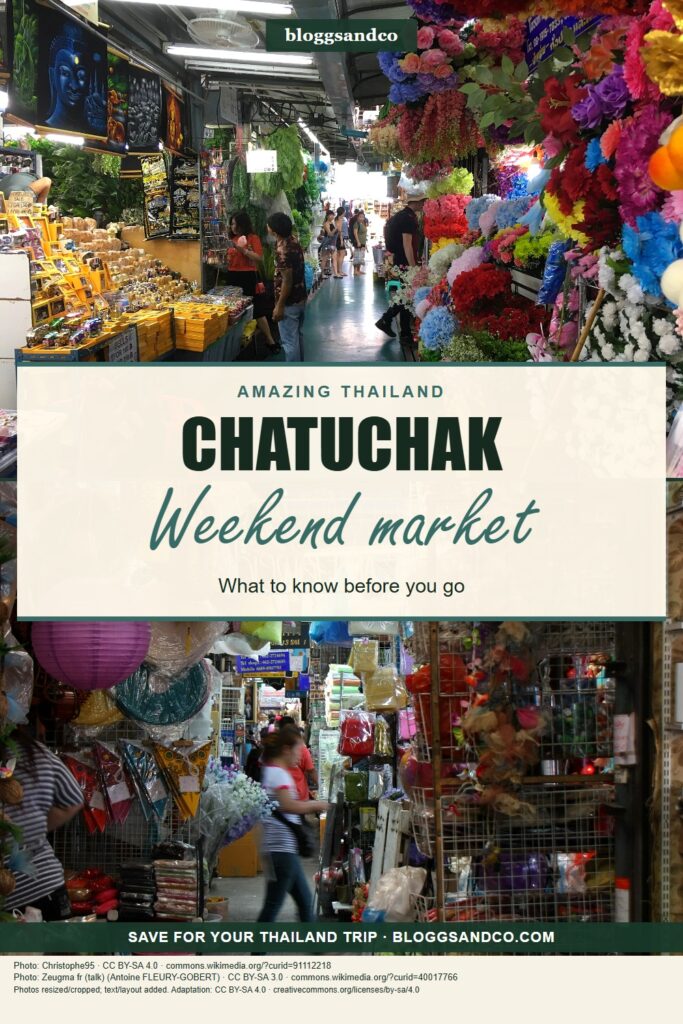
Keep the hotel question connected to the evenings you want. If Bangkok night markets are a priority, first choose a specific market, confirm its operating days and work out the journey home. A property described as central may still need an interchange and a long final walk.
Use the market planning guide to separate evening food markets from weekend shopping, then check the Bangkok transit guide for airport arrivals, rail connections and road alternatives. Compare the complete stay cost: a cheaper room plus repeated vehicle trips can change the saving.
About Joe Bloggs
Joe Bloggs creates bloggsandco’s Thailand guides with practical comparisons, sourced transport details and manageable itineraries. This guide combines desk research and editorial planning suggestions. Visit durations are estimates; firsthand visit notes will carry their own dates when available.