Choose one main reason to go
Start with a city, heritage, food or a coastal stay. Then choose a base that supports that interest. Our regional groupings are editorial travel areas, not official boundaries.
Give the route room
Use three to five days for a focused stay; use longer trips to add a second chapter with its transfer visible. These are planning suggestions, not minimum stay requirements.
Verify before booking
Read the sources beside important claims. Fees, access and schedules are omitted unless checked. Use the practical guide to separate inspiration from the decisions requiring current official information.
How to plan your first trip to Thailand
Best time to visit Thailand by region
There is no single best month for every Thai coast. Choose the region first, then compare typical seasons with the current forecast. The following is climate guidance, not a promise of dry days.
- Bangkok, Central and Northern Thailand: November to February is the usual cooler-season starting point; March to May brings hotter conditions. Rain is more frequent during the southwest monsoon, broadly May to October. Leave outdoor sightseeing flexible and check local conditions before mountain outings.
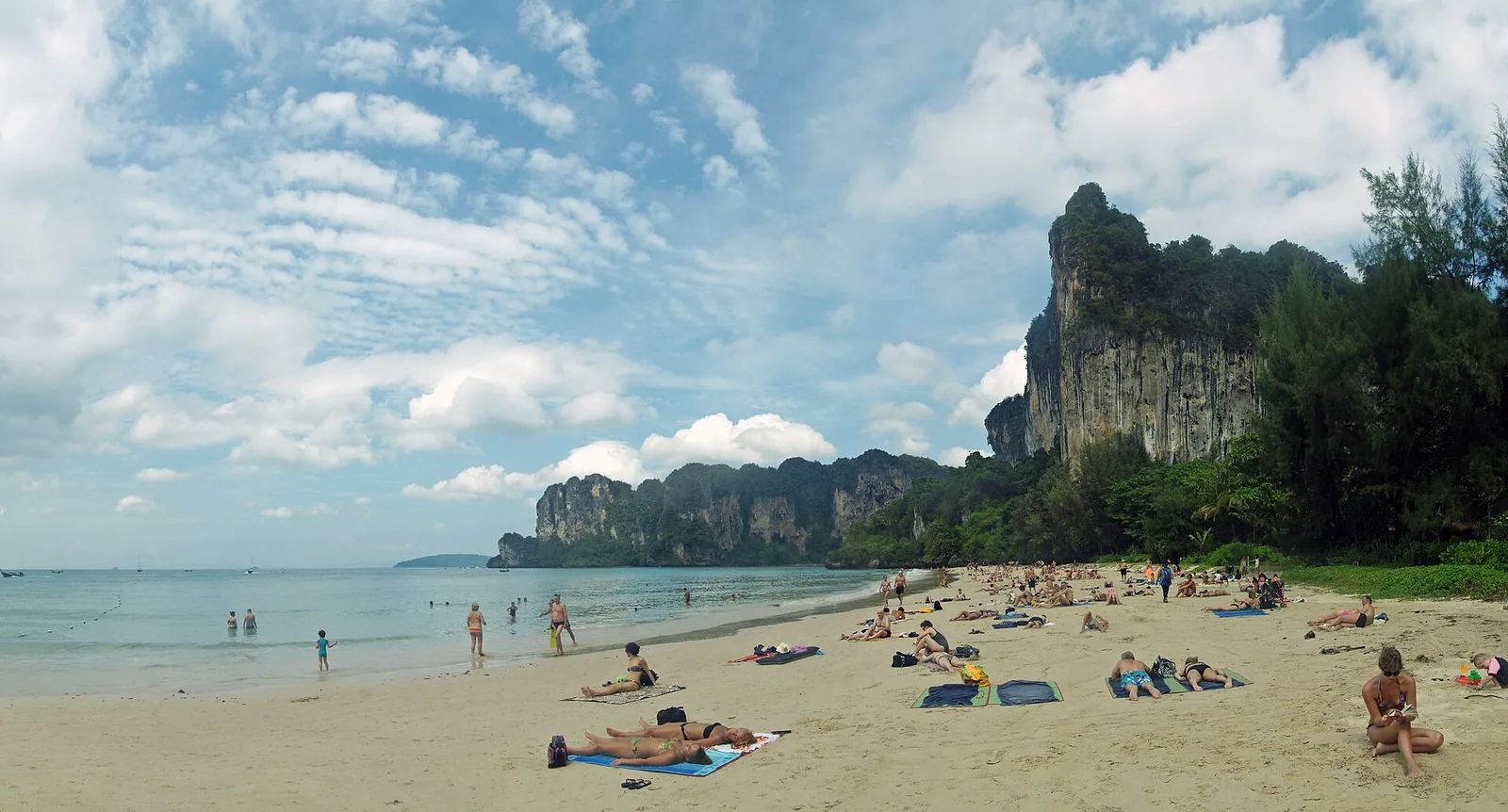
- Phuket, Krabi and the Andaman coast: November to April is the broad beach-planning window described by Thailand’s government tourism information. May to October can bring rougher seas and disrupted boat plans.
- Samui, Phangan and Tao in the southern Gulf: do not apply the Andaman calendar automatically. The northeast monsoon can bring rain to the southeast into December. TAT highlights the Gulf as an alternative to the Andaman in September; check the particular island and sailing date.
Sources checked 10 November 2026: Thailand government monsoon explanation, regional beach-season guide and TAT’s September guidance. Use the Thai Meteorological Department for forecasts and warnings.
What does a Thailand trip cost?
Build the budget from your route, rather than treating one daily figure as a complete holiday price. This worked example is for one person, seven days and six nights. Allowances were prepared on 10 November 2026; hotel and meal figures are illustrative planning choices, not researched market averages or live offers.
| Item | Calculation | THB |
|---|---|---|
| Private room, solo occupancy | 6 nights × 1,200 (allowance) | 7,200 |
| Meals and drinking water | 7 days × 600 (allowance) | 4,200 |
| Local transport | 7 days × 250 (allowance) | 1,750 |
| Wat Pho foreign adult admission | 1 × 300 (operator-published fee) | 300 |
| Subtotal for these items only | Exclusions below | 13,450 |
The admission reference comes from Wat Pho’s own visitor information, checked 10 November 2026. International flights, intercity travel, airport transfers, insurance, visa costs if applicable, other activities, shopping and contingency are excluded. Sharing the same room equally between two would reduce this example to THB 9,850 per person for the listed items, assuming the room price stays the same. Replace every allowance with quotes for your dates. Use our budget worksheet and hotel comparison guides to price the missing items.
Safety and scams: practical checks
Check your government’s current advice for your exact route, including regional restrictions. FCDO guidance highlights road and motorcycle risks, theft, rental disputes and swimming hazards. Keep valuables secure; avoid leaving your passport as rental security; check insurance and licensing before hiring a vehicle; and follow beach flags and local warnings. Read the FCDO safety guidance and its linked regional advice before travelling.
For bookings, confirm the operator, total price, inclusions and cancellation terms in writing. Verify an unexpected demand for payment with the business through its published contact details. Keep copies of confirmations and agree pickup locations before the day of travel. These booking checks reduce uncertainty; they do not guarantee safety.
Getting around: choose the whole journey
Compare door-to-door time, not just the advertised flight or train duration. Domestic flights can connect distant bases, but add airport transfers, baggage and check-in. A train or coach may suit an overland journey; compare the actual station, class and overnight sleeping arrangement. Ferries add a weather-dependent leg, so protect an important onward departure with a buffer. In cities, choose accommodation near the journeys you will actually make. Our Thailand transport guide links detailed route and booking resources.
Entry basics before you book
Check requirements for your nationality, passport and purpose of travel through the responsible Thai embassy or consulate and Thai e-Visa. Do not assume another traveller’s permitted stay applies to you. The official TDAC FAQ explains who must complete the arrival card and the submission window, within three days before arrival including arrival day. The arrival card is not a visa. Use the official service and check any exemptions and updates before departure. Our entry planning guide organises the next checks.
Quick answers for a realistic Thailand route
Is seven days enough?
Seven days can support a focused city stay or two carefully connected bases. Our Bangkok and Chiang Mai example counts the transfer as part of the week. Add the arrival and departure tasks before deciding how many sightseeing days remain.
Should I choose Phuket or Krabi?
Choose around the base and journeys: compare Phuket’s beach areas and Old Town interests with the road-versus-boat choice between Ao Nang and Railay in Krabi. Price the complete arrival transfer and ask which everyday setting you prefer. Neither province guarantees an easy day trip to every surrounding island.
Can I book this itinerary as a package?
These guides are editorial route frameworks. Use the tour enquiry page to discuss arrangements and request a written proposal with availability, inclusions and cancellation terms.
Get the next planning note: subscribe to the optional bloggsandco newsletter for new guides and trip updates. Downloading a checklist does not require a subscription.
For a first trip to Thailand, decide what you want to spend time doing before choosing how many places to visit. A city stay, a northern cultural journey and a beach holiday need different bases and transfers. Use this sequence to turn a shortlist into a route you can book.
Plan your first Thailand trip in five steps
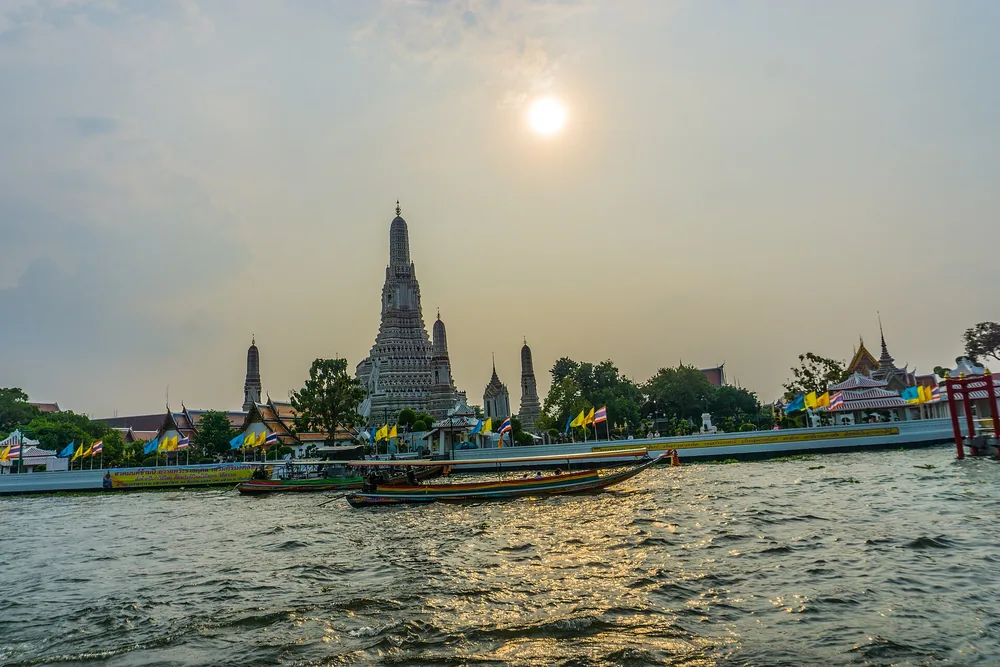
- Choose the experience. Compare Bangkok for river temples, food and neighbourhoods; Chiang Mai for a northern base; and Hua Hin, Phuket or Krabi for different coastal stays. Open the destination guide before deciding which two belong in the same trip.
- Count usable days and paid nights. Write down arrival, departure and each hotel change. Compare our 7-day Bangkok and Chiang Mai itinerary, 10-day route and two-week itinerary. A transfer occupies part of the holiday even when the flight itself is short.
- Price the whole route. Add rooms, meals, long-distance tickets, baggage, local transfers and chosen activities in the Thailand budget worksheet. Compare the total for your party, rather than multiplying a daily figure that excludes travel days.
- Choose accommodation around your journeys. Check the address against the station, pier or neighbourhood you will use. Our regional budget-hotel guides provide starting points for comparison. Confirm the current room price, cancellation terms and any facilities your group needs.
- Check what depends on your dates. Use the visa and entry guide to find official sources for your nationality and purpose of travel. Confirm the actual transport connection before paying for the next hotel.
Independent travel or help arranging a tour?
Independent planning gives you control over each booking; an organised proposal can bring several arrangements together. Compare the same hotel nights, transfers, meals, guiding and cancellation terms in both options. Use our Thailand tour enquiry page if you want to discuss a proposal. These editorial routes are starting points, so check the written inclusions and availability before paying.
Make the next planning decision
Compare Phuket vs Krabi before choosing your southern base, or use our month-by-month Thailand planner to match the region to your dates.
Download the free printable Thailand trip checklist (PDF). Keep route, document, budget and departure checks together. No email is required; newsletter signup below is optional.
A local starting point: Surin and Isaan
Joe Bloggs has lived in Surin, northeast Thailand, for over 20 years. To plan an Isaan chapter, start with a manageable area rather than a long regional checklist. Compare our Isaan collection and first-visit base guide.
For November 2026 travel, the Surin Elephant Round-up planner covers the published fair and show dates, ticket options and welfare questions. Check the organiser’s current programme before booking around an event.
Connect interests with practical choices
Compare food and culture, beach time and wellness as different reasons to travel. Then check whether your proposed base supports the days you want. A route should include arrival tasks, packing and the journey to your next stay. Use the directory to create a shortlist, and treat extra stops as optional until the main route makes sense.