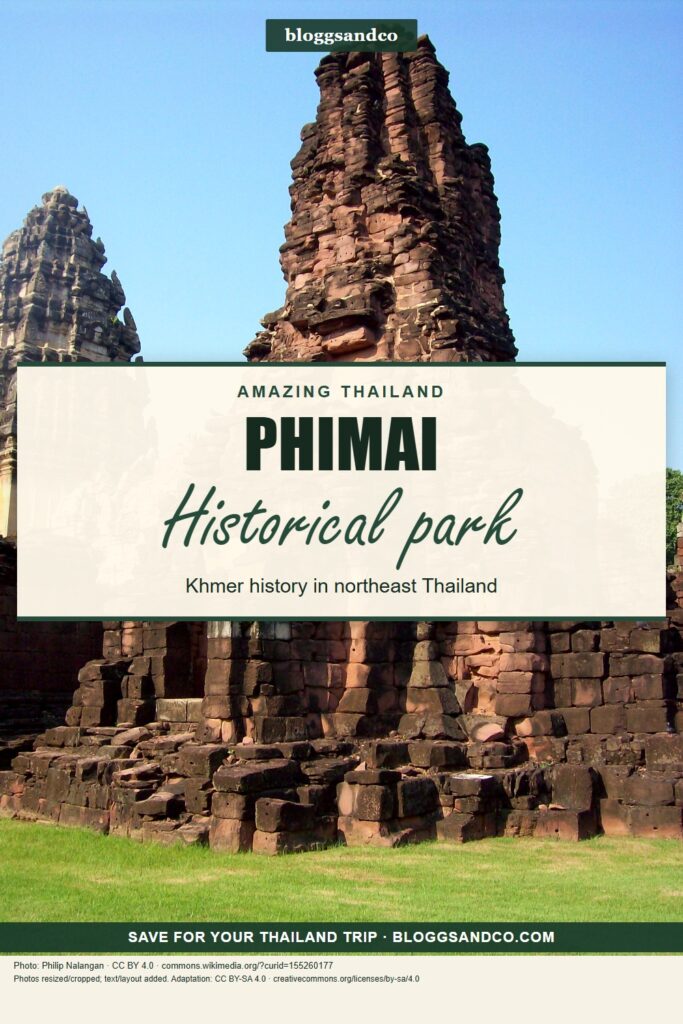
Understand the designation
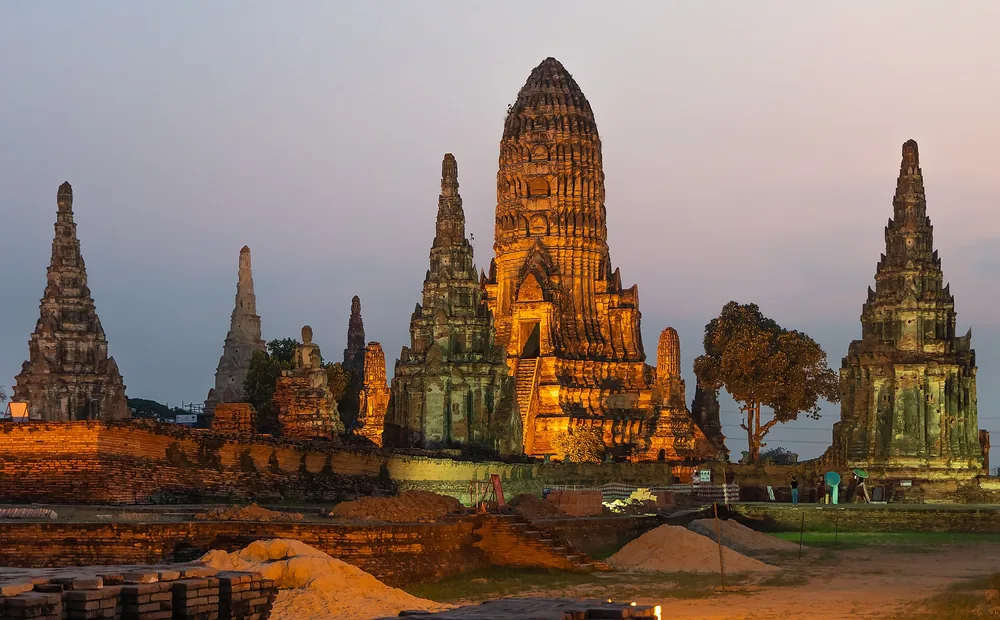
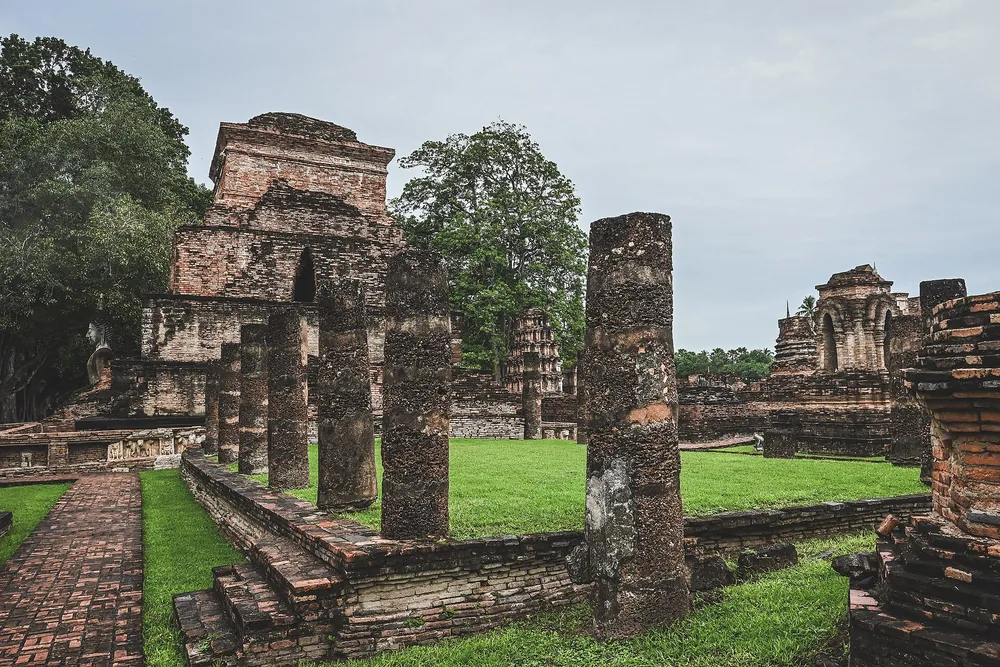
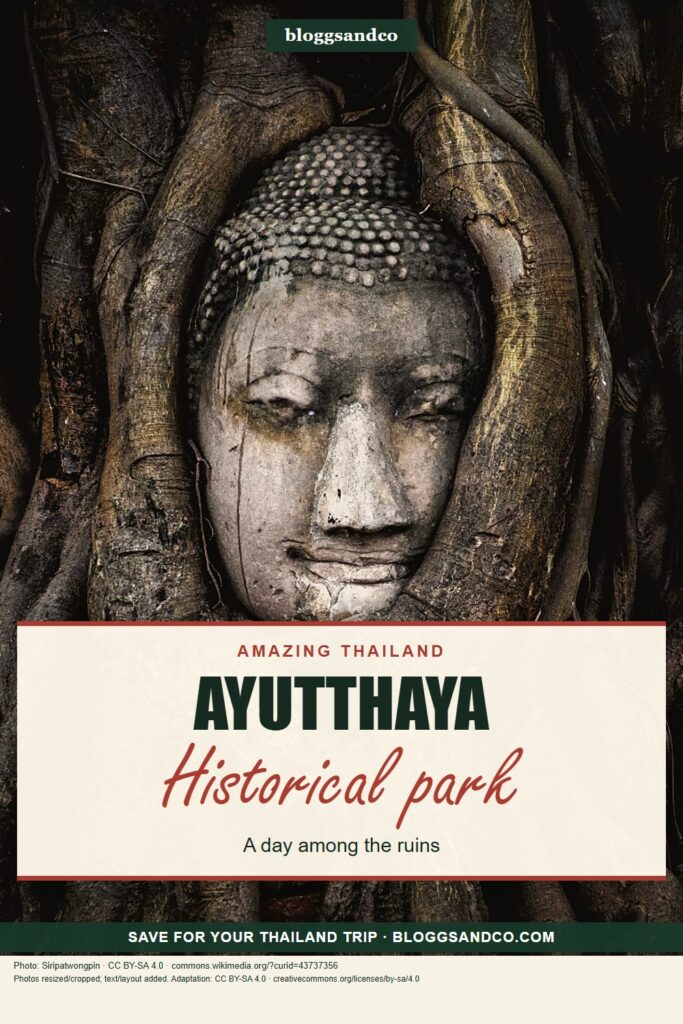
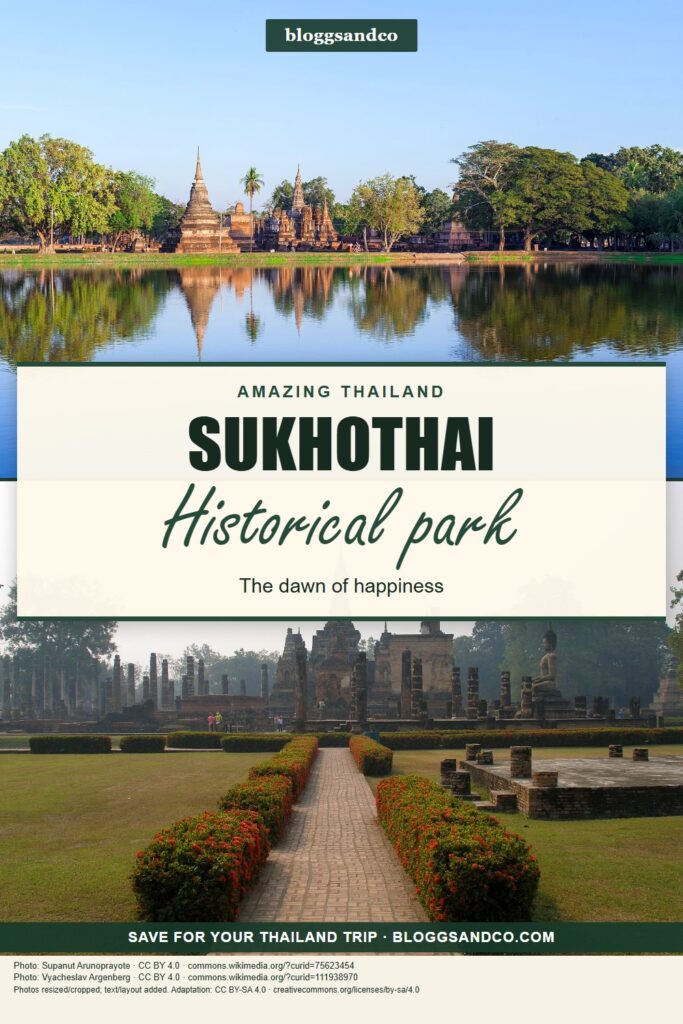
UNESCO’s Ayutthaya listing describes a historic city and former Siamese capital. Its Sukhothai listing includes associated historic towns. Those are useful starting points for understanding the scale of a visit, not promises about current access or facilities.
Choose a manageable scope
Select one main site and allow time to read, pause and look again. If the setting is outdoors, keep a shorter option for uncomfortable conditions. Treat suggested durations as choices rather than mandatory targets.
Leave the place intact
Follow site instructions, avoid restricted areas and ask before photographing people. A photograph is not worth disturbing someone’s worship or crossing a barrier. Check current operator details separately from historical background.
Sources & verification
Historic City of Ayutthaya · UNESCO World Heritage Centre. Accessed 2026-10-19. Stable contextual claims in the cited text only; not a current operational audit.
Historic Town of Sukhothai and Associated Historic Towns · UNESCO World Heritage Centre. Accessed 2026-10-19. Stable contextual claims in the cited text only; not a current operational audit.
Sources do not endorse bloggsandco. A checked overview does not verify current opening hours, fees or access.
Give Thailand heritage travel a focused question
Thailand heritage travel is richer when a visit has a purpose. You might compare how water shaped a historic town, how a temple sits within its setting or how a museum explains the objects nearby. Choose a small number of stops that help answer that question. Leave enough time to read the interpretation rather than moving straight to the next viewpoint.
Build a route around understanding
Use the sourced Ayutthaya and Sukhothai guides to compare the type of visit you want. Confirm current access with the responsible authority, and decide how you will move between sites. Protect a break in the day. A second heritage stop is useful when it adds context; it is less useful when it only extends a checklist.